April 22, 2026

branding

Branding iron karaoke brings a unique twist to the beloved pastime of karaoke, merging the joy of singing with the creative flair of branding. This innovative concept not only allows participants to showcase their vocal talents but also encourages venues to cultivate a distinct identity that resonates with their audiences.

From its origins to its cultural significance, branding iron karaoke has evolved into a vibrant phenomenon that celebrates both music and community. As karaoke continues to grow in popularity, understanding the dynamics of branding within this context becomes crucial for engaging audiences and enhancing the overall experience.

Branding Iron Karaoke Overview

Branding Iron Karaoke combines the fun of karaoke with the unique concept of branding, offering a fresh and engaging way for individuals to express themselves through song. This innovative approach not only enhances the karaoke experience but also allows participants to connect their musical choices with personal or brand identities, making it a standout activity in various entertainment settings.The concept of karaoke originated in Japan in the 1970s, evolving from a simple form of entertainment to a global phenomenon.

As karaoke gained popularity, it began to intertwine with branding, creating a unique niche known as branding iron karaoke. This evolution is significant as it reflects the changing landscape of entertainment, where personal expression and brand representation play crucial roles. In various regions, this fusion of karaoke and branding has transformed social interactions, enabling individuals and businesses to showcase their identities through tailored song selections and performances.

Historical Evolution of Karaoke and Branding

The journey of karaoke began with the invention of karaoke machines, allowing individuals to sing along with recorded music. As technology advanced, the rise of personal computers and digital music added new layers to karaoke experiences. The concept of branding iron karaoke emerged as venues and brands sought innovative ways to engage audiences, incorporating branding elements into karaoke nights. This approach led to themed events where patrons could perform songs that resonated with specific brands or personal identities, thus creating a memorable atmosphere.

  • The evolution of karaoke machines from simple tape players to high-tech digital systems has greatly enhanced user experience.
  • The integration of branding in karaoke reflects a shift toward experiential marketing, where consumers engage with brands through interactive experiences.
  • In various cultures, branding iron karaoke has become a popular social activity, fostering community engagement and brand loyalty.

“Branding iron karaoke exemplifies how entertainment can intertwine with personal and brand identities, creating unique social experiences.”

The cultural impact of branding iron karaoke can be seen in diverse regions, where it has adapted to local customs and preferences. In Asia, for instance, karaoke is a staple of nightlife, often featuring local songs and themes that resonate with the community. In the United States and Europe, branding iron karaoke events have become popular at corporate gatherings and social events, promoting brand awareness while providing entertainment.

This merging of culture and branding through karaoke showcases the versatility and relevance of the concept in various social contexts.

Popular Branding Iron Karaoke Songs

In the lively atmosphere of Branding Iron Karaoke, certain songs have emerged as crowd favorites, captivating participants and audiences alike. The appeal of these songs often lies in their catchy melodies and relatable lyrics, which invite everyone to join in and sing along. This section highlights some of the most performed songs and discusses the genres that resonate best within this karaoke setting.The selection of songs that stand out in Branding Iron Karaoke often reflects a mix of timeless classics and contemporary hits.

Songs that evoke strong emotions or memories tend to foster a more engaging experience for both singers and spectators. Below is a list showcasing some of the top choices frequently performed in this karaoke environment.

Top Songs Frequently Performed

The following songs have proven to be perennial favorites, often lighting up the stage during karaoke nights:

  • “Livin’ on a Prayer” by Bon Jovi
  • “Don’t Stop Believin'” by Journey
  • “Shake It Off” by Taylor Swift
  • “Bohemian Rhapsody” by Queen
  • “Sweet Caroline” by Neil Diamond
  • “Rolling in the Deep” by Adele
  • “Uptown Funk” by Mark Ronson ft. Bruno Mars
  • “I Will Survive” by Gloria Gaynor

The appeal of these songs can be attributed to their anthemic choruses, making them easy for the audience to join in. Participants often choose songs that create a sense of camaraderie, allowing for shared experiences among friends and strangers alike.

Appeal of Specific Genres

Certain genres tend to dominate the karaoke scene at Branding Iron, shaping the type of performances that take place. Pop, rock, and classic hits are particularly favored, as these genres typically feature catchy hooks and memorable lyrics. The excitement of rock anthems encourages high-energy performances, while pop songs often have relatable themes that resonate with a wide audience.

“Songs that get the crowd involved, regardless of the genre, are the ones that truly shine at karaoke.”

Factors Contributing to Song Popularity

Several factors contribute to a song’s popularity in the karaoke scene. The following elements play a pivotal role in determining which songs become crowd favorites:

  • Familiarity: Songs that are well-known generally attract more singers and audience participation.
  • Singability: Tracks with easy-to-follow melodies and accessible lyrics make it simpler for singers to perform.
  • Emotion: Songs that evoke strong feelings can create memorable experiences for both the performer and the audience.
  • Cultural relevance: Songs that resonate with current trends or cultural moments often draw in more singers.

These factors collectively shape the karaoke experience, ensuring that both singers and audiences enjoy themselves, fostering a sense of community and shared joy. In Branding Iron Karaoke, the right song can transform a simple night out into a memorable celebration of music and togetherness.

Setting Up a Branding Iron Karaoke Event

Organizing a Branding Iron Karaoke event can be an exciting way to bring people together, whether for a casual night out or a themed celebration. A successful karaoke night requires careful planning and the right equipment to ensure participants have a great time. To create an enjoyable atmosphere and streamline the event, understanding the essential equipment and following a well-structured plan is crucial.

Here’s a breakdown of what you need and how to pull it all together.

Essential Equipment for Branding Iron Karaoke

Having the right equipment is fundamental for an unforgettable karaoke experience. Here’s a list of essential items to consider:

  • Karaoke Machine: A reliable machine that can play karaoke tracks, display lyrics, and support multiple microphones is essential. Look for models that allow for easy playlist management.
  • Microphones: Ensure you have at least two microphones to encourage duets and keep the energy high. Wireless microphones can provide more freedom of movement.
  • Speakers: Quality speakers are necessary to project sound clearly throughout the venue. Consider portable speakers if hosting outdoors or in larger spaces.
  • TV or Projector: A screen to display lyrics is vital. A large TV or projector ensures that everyone can see the words, making it easier to join in.
  • Lighting: Fun and colorful lighting can enhance the atmosphere. Consider disco balls or LED lights that can sync with the music.
  • Seating Arrangements: Comfortable seating encourages participation. Depending on the venue, arrange tables and chairs in a way that promotes interaction.

Step-by-Step Guide to Organizing a Branding Iron Karaoke Event

Planning a karaoke event involves several important steps that ensure everything runs smoothly. Follow these steps for a successful night:

  1. Select a Venue: Choose a location that can accommodate your expected number of guests and the necessary equipment.
  2. Pick a Date and Time: Schedule your event at a time that works for most potential participants, considering weekends or holiday seasons for higher attendance.
  3. Gather Equipment: Source or rent the necessary karaoke equipment. Test all equipment ahead of time to avoid any malfunctions during the event.
  4. Create a Playlist: Curate a diverse selection of popular songs that cater to varying musical tastes. Include classics and current hits.
  5. Promote the Event: Use social media, flyers, and word of mouth to attract participants. Highlight the fun atmosphere and any prizes for the best performances!
  6. Set Up the Venue: Arrange the seating, set up the equipment, and ensure the space is decorated to create a vibrant atmosphere.
  7. Host the Event: As the host, engage with participants, manage the song queue, and keep the energy high throughout the night.

Tips for Promoting the Branding Iron Karaoke Event

Effective promotion is key to maximizing attendance. Consider the following strategies to attract participants:

Engaging marketing creates excitement and draws in a crowd.

  • Use Social Media: Create event pages on platforms like Facebook and Instagram. Share teasers, such as song highlights or past event photos, to generate interest.
  • Offer Incentives: Consider offering prizes for the best singer or most creative performance to encourage participation and friendly competition.
  • Collaborate with Local Businesses: Partner with nearby bars or restaurants to cross-promote the event. They can help spread the word in exchange for promotional opportunities.
  • Leverage Word of Mouth: Encourage friends and attendees to invite others. Personal recommendations can be highly effective in bringing in a crowd.
  • Create Eye-Catching Flyers: Distribute flyers in community centers, cafes, or local music stores. Make sure they convey the excitement of the event and detail participation steps.

Engaging the Audience

Creating a vibrant and interactive atmosphere during Branding Iron Karaoke is essential for a successful event. Engaging the audience not only enhances the experience for performers but also fosters a welcoming environment for everyone involved. By implementing effective strategies, you can encourage participation and create memorable moments that keep attendees coming back for more.To ensure audience involvement, it’s important to incorporate various methods that make them feel included.

This can be achieved through interactive elements, thoughtful branding, and fostering a lively atmosphere. Below are strategies to enhance audience engagement during your karaoke event.

Methods to Encourage Audience Participation

Encouraging audience participation is vital for a successful karaoke night. The following strategies can make it easier for attendees to get involved and enjoy themselves:

  • Interactive Song Selection: Allow the audience to suggest songs they’d like to hear. A simple voting system or a suggestion box can empower everyone to share their favorites.
  • Group Performances: Encourage group performances by suggesting duets or small group songs. This can ease nerves for those who might be hesitant to perform solo.
  • Audience Challenges: Introduce fun challenges where audience members can win small prizes for singing certain songs or participating in themed rounds.
  • Live Polling: Use apps or social media to conduct live polls, letting the audience vote on their favorite performances or suggest next songs in real-time.

Creating a Fun and Inclusive Atmosphere

An inclusive atmosphere ensures that everyone feels comfortable participating. Here are some strategies to cultivate this environment:

  • Icebreakers: Start the event with icebreaker games that involve the entire audience, helping to break down barriers and build camaraderie among participants.
  • Themed Nights: Organize themed karaoke nights that align with holidays, genres, or pop culture, giving everyone a theme to rally around and participate in.
  • Positive Reinforcement: Encourage the crowd to applaud and cheer for every performance, regardless of skill level. This positive feedback builds confidence and prompts others to join in.
  • Host Engagement: Have an engaging host who can interact with both performers and the audience, helping to maintain energy and excitement throughout the event.

Incorporating Branding Elements into Audience Engagement

Incorporating branding into audience engagement enhances the overall karaoke experience and reinforces brand identity. Here are ways to achieve this:

  • Customized Merchandise: Offer branded merchandise such as t-shirts, hats, or glow sticks that audience members can wear during the event, fostering a sense of belonging.
  • Themed Photo Booth: Set up a photo booth with branded backdrops and props that encourage attendees to take pictures and share them on social media, extending your brand’s reach organically.
  • Branded Social Media Hashtags: Create a unique hashtag for the event and encourage attendees to use it when posting about their experiences online, increasing online engagement and visibility.
  • Prize Giveaways: Offer branded prizes for audience participation, such as gift cards or free drinks, to further engage participants and create excitement.

Branding Strategies for Karaoke Venues
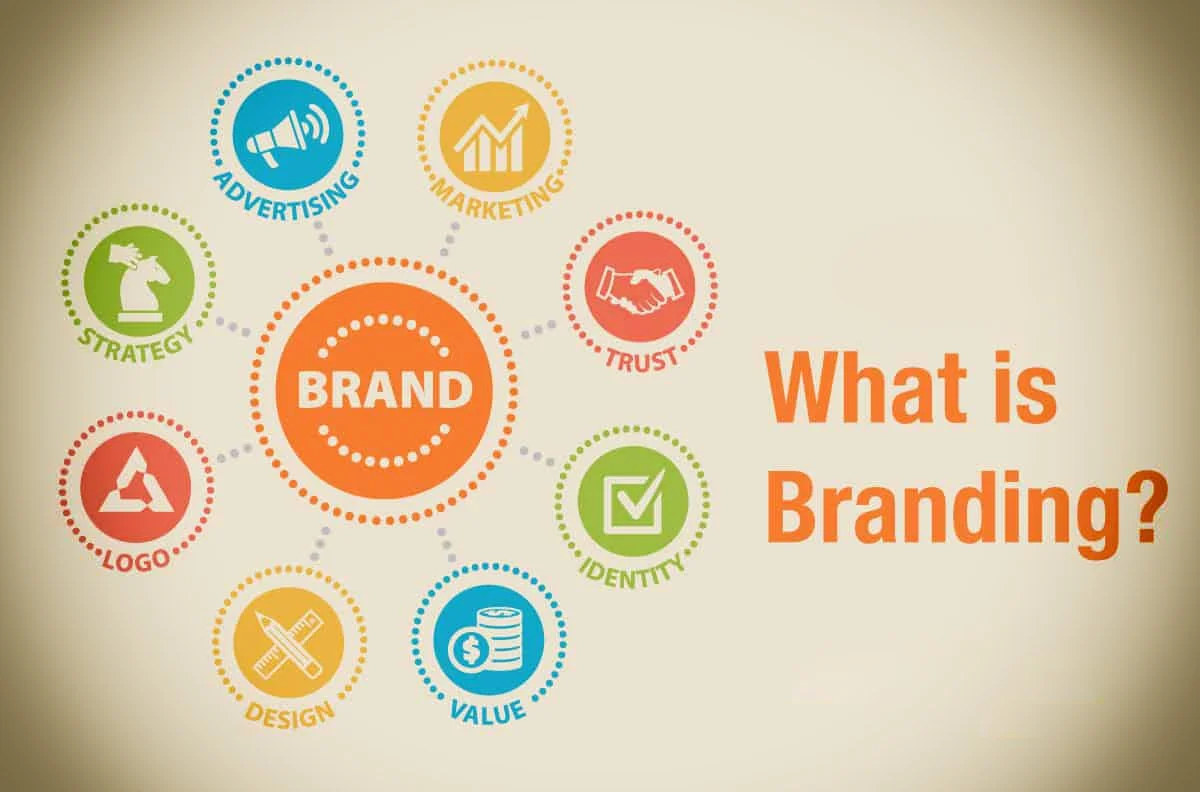
Demystifying Brand Analysis vs. Brand Strategy: A Comprehensive Guide ...

Creating a distinctive branding identity for karaoke venues is essential for attracting and retaining customers. A strong brand can elevate the karaoke experience, encourage guest loyalty, and foster a vibrant community around the events. This section explores effective strategies for establishing a unique brand presence among karaoke bars and offers examples of successful branding techniques.Branding in the karaoke industry goes beyond just a catchy name or logo; it encompasses the overall atmosphere, customer experience, and the emotional connection guests have with the venue.

By focusing on specific elements, venues can craft a memorable brand identity that resonates with their audience.

Creating a Unique Branding Identity

To build a compelling brand identity, venues should focus on several key elements:

  • Theme and Decor: Choose a specific theme or decor style that reflects the venue’s personality. For instance, a retro-themed karaoke bar might feature vintage posters and neon lights, appealing to nostalgia and creating a unique vibe.
  • Signature Drinks and Food: Develop a menu of signature cocktails or food items that complement the karaoke experience. This could include drink names inspired by famous songs or artists, enhancing the themed atmosphere.
  • Social Media Presence: Utilize platforms like Instagram or TikTok to showcase events, customer performances, and engaging content. This helps in building a community and attracting new guests through visually appealing posts.
  • Personalized Experience: Offer personalized services, like custom playlists or dedicated hosts who interact with guests. Creating a sense of belonging makes the experience memorable and encourages return visits.
  • Collaborations and Events: Partner with local artists or host themed nights that resonate with different demographics. Events that feature specific genres or celebrity impersonations can draw diverse crowds.

Branding techniques used successfully by karaoke bars illustrate these strategies in action. For example, a well-known karaoke venue might host weekly “battle of the bands” events, inviting local musicians to compete, which not only showcases talent but also attracts an audience eager to support their favorites. Another example includes a karaoke bar that collaborates with local breweries to create a line of themed beers, enhancing the overall experience and reinforcing its brand identity.

Importance of Branding in Customer Retention

Effective branding plays a crucial role in not just attracting new customers but also retaining existing ones. A well-defined brand identity fosters loyalty and encourages patrons to choose that venue over competitors. Here are several reasons why branding is vital:

  • Recognition and Recall: A strong brand makes it easier for customers to remember and recommend the venue to others, boosting word-of-mouth marketing.
  • Emotional Connection: A unique brand identity helps forge emotional connections with customers, making them feel part of a community and enhancing their overall experience.
  • Consistency: A consistent brand message across all touchpoints—such as marketing materials, social media, and the physical venue—creates a cohesive experience that customers can trust.
  • Competitive Advantage: In a crowded market, a distinctive brand identity sets a venue apart, making it more attractive to potential customers and helping to retain existing ones.

As karaoke venues continue to evolve, leveraging effective branding strategies will help them stand out and create lasting impressions in the minds of attendees.

The Role of Social Media in Branding Iron Karaoke

Social media has become an essential tool for promoting events, including karaoke nights. By leveraging various platforms, karaoke venues can significantly enhance their branding efforts, reach a wider audience, and engage with potential customers in a more dynamic way. This digital interaction not only builds excitement around events but also fosters a community of karaoke enthusiasts who can share their experiences and invite others to join in.Effective use of social media can elevate the visibility of karaoke events and create a buzz that translates into higher attendance.

It provides an excellent platform for venues to showcase their unique offerings, share user-generated content, and interact with patrons directly. By creating a strong online presence, karaoke venues can establish a brand identity that resonates with their target audience.

Social Media Strategies for Branding Iron Karaoke

Investing time and effort into social media strategies can significantly enhance the reach and effectiveness of karaoke branding. Here are several strategies that can be applied:

  • Content Creation: Develop engaging content that highlights the fun and excitement of karaoke. This could include video clips of performances, behind-the-scenes shots, and testimonials from participants. Videos showcasing the energetic atmosphere of the event can capture attention and encourage sharing.
  • Event Promotion: Utilize social media to announce upcoming karaoke nights, special themes, or contests. Create visually appealing graphics or videos that can be shared across platforms to generate interest.
  • Interactive Engagement: Encourage audience participation by hosting polls, quizzes, or challenges related to karaoke songs. Creating hashtags for your events can help build a community around your brand and allow participants to share their experiences.
  • Live Streaming: Consider live streaming karaoke sessions on platforms like Facebook or Instagram. This not only showcases the event in real-time but also invites viewers to come and join in the fun, increasing attendance.
  • User-Generated Content: Encourage patrons to share their karaoke videos or photos on their social media accounts. Repost these on the venue’s page to build a sense of community and authenticity, while also showcasing the enjoyment of the event.

Effective Platforms for Promoting Karaoke Events

Different social media platforms serve different demographics and purposes, making it essential to select the right ones for promoting karaoke events. Here are some of the most effective platforms:

  • Facebook: Ideal for creating event pages, sharing detailed information, and engaging with local communities. It allows for targeted advertising to reach specific demographics interested in nightlife and entertainment.
  • Instagram: A visual platform that works well for sharing eye-catching images and videos of karaoke performances. Instagram Stories and Reels can be used to showcase live events and engage followers with short, entertaining clips.
  • TikTok: Highly popular among younger audiences, TikTok can be leveraged for viral marketing. Short, creative videos featuring karaoke performances can attract attention and encourage others to participate.
  • Twitter: Useful for real-time updates and engaging with audiences in a conversational manner. Promoting the event through tweets and retweeting audience posts can boost visibility.
  • YouTube: Perfect for hosting longer videos showcasing past karaoke nights, tutorials on popular songs, or promotional content for upcoming events. This platform can serve as a video portfolio of the venue’s karaoke offerings.

Using a combination of these platforms effectively can enhance the visibility of karaoke events and foster a loyal community of participants, ultimately leading to increased attendance and engagement.

Challenges and Solutions in Branding Iron Karaoke

When organizing branding iron karaoke events, venues often encounter a variety of challenges that can impact the overall experience. These challenges may range from technical issues to audience engagement difficulties. However, with the right strategies in place, venues can successfully navigate these obstacles and create memorable karaoke experiences for their patrons.One common challenge is ensuring high-quality sound and equipment setup.

Poor audio can lead to a frustrating experience for both the performers and the audience, detracting from the enjoyment of the event. To overcome this, venues should invest in quality sound systems and conduct thorough equipment checks before the event. Additionally, having a knowledgeable technician on hand can help troubleshoot any issues that arise.

Audience Engagement Strategies

Engaging the audience during branding iron karaoke is crucial for the success of the event. Sometimes, venues may struggle with encouraging participation from attendees, especially if they are hesitant to take the stage. One solution is to create a friendly and inclusive atmosphere by implementing the following strategies:

  • Offer incentives for participation, such as discounts on drinks or prizes for the best performances. This can motivate attendees to join in and showcase their talents.
  • Introduce themed nights or competitions that encourage friendly rivalry. For example, hosting a “Best 80s Night” can attract participants who are excited to sing nostalgic hits.
  • Utilize social media to promote the event beforehand, highlighting featured songs or performers. This creates buzz and encourages attendees to bring friends along to join in on the fun.

Another significant challenge is the need to adapt branding strategies in response to changing audience preferences. As musical trends evolve, venues must be vigilant about updating their song selections and marketing approaches. Regularly surveying patrons about their favorite songs and incorporating new music can keep the karaoke experience fresh and appealing.

Technical Challenges and Solutions

Technical difficulties can derail a karaoke event, causing frustration among both performers and the audience. Ensuring that technology runs smoothly requires proactive measures, including:

  • Conducting rehearsals to test sound equipment and presentation systems before the event begins.
  • Having backup equipment ready, such as extra microphones and speakers, to swiftly address any failures during the performance.
  • Providing clear instructions and training for staff on how to operate the karaoke system effectively, allowing for quick resolution of any complications.

Ultimately, the success of branding iron karaoke events hinges on the venue’s ability to identify challenges and implement effective solutions. By focusing on quality, engagement, and adaptability, venues can cultivate memorable experiences that keep patrons returning for more.

Closing Summary

In conclusion, branding iron karaoke is not just about singing; it’s about creating memorable experiences through effective branding and audience engagement. By embracing this dynamic approach, venues can foster a sense of belonging and excitement that keeps participants coming back for more, proving that the right mix of creativity and music can truly elevate any event.

Expert Answers

What is branding iron karaoke?

Branding iron karaoke combines traditional karaoke with unique branding elements to create engaging and memorable singing events.

How do I set up a branding iron karaoke event?

To set up a branding iron karaoke event, gather essential equipment, create a promotional plan, and engage your audience actively.

What are some popular songs for branding iron karaoke?

Popular songs often include crowd favorites across various genres, appealing to diverse musical tastes and enhancing the experience.

How can social media help promote branding iron karaoke?

Social media can enhance promotion by allowing venues to share engaging content, showcase events, and interact with potential participants effectively.

What challenges might venues face with branding iron karaoke?

Common challenges include attracting participants and maintaining a consistent brand identity; however, effective strategies can help overcome these obstacles.
Branding iron generator is a powerful tool that allows businesses to create lasting impressions through custom branding. As brands seek to differentiate themselves in a crowded marketplace, the history and evolution of branding techniques have shown us the significance of making a memorable mark. From livestock branding to modern branding practices, the journey of branding has been transformative, and understanding it is essential for today’s entrepreneurs.

As we delve into the world of branding iron generators, we’ll explore the various types available, essential features to consider, and how to effectively use these tools to elevate your branding strategy. Whether you’re a small business owner or part of a larger enterprise, branding iron generators can play a vital role in your branding success.

Introduction to Branding Iron Generators

Branding iron generators are innovative tools that allow businesses and individuals to create custom branding irons for marking their products or property. These devices utilize heat to imprint designs, logos, or text onto various surfaces, thereby establishing a unique identity. The primary purpose of branding iron generators is to enhance brand recognition and authenticity, enabling brands to communicate their identity effectively through tangible marks.The practice of branding dates back centuries, serving as a method to signify ownership and craft in various industries, from livestock to artisan goods.

Historically, brands were used primarily in agriculture for cattle and horses, symbolizing ownership and deterring theft. Over time, branding evolved beyond livestock into industries such as woodworking, textiles, and even food production, where branding iron generators became essential for distinguishing products in competitive markets.

Historical Significance of Branding

The significance of branding has consistently transformed throughout history, reflecting societal and economic changes. In ancient civilizations, such as Egypt and Greece, branding was not only a method of ownership but also a status symbol. The marks used by artisans on their crafts signified quality and authenticity. As industries evolved during the Industrial Revolution, branding took on a new role.

Mass production created a need for businesses to differentiate their products. This led to the development of trademarks and commercial branding strategies, where branding iron generators played a key role in applying logos and labels to goods.

Key points regarding the historical evolution of branding include:

  • Ancient Ownership: Branding served as a primary means of establishing ownership, especially in agriculture.
  • Artisan Identity: Craftsmen used branding to signify quality and authenticity in their creations, enhancing their reputation.
  • Industrial Growth: The rise of factories necessitated distinctive branding techniques to capture consumer attention and loyalty.
  • Modern Branding Strategies: Today, branding encompasses a wide range of techniques and technologies, including digital branding, but the principles of recognition and trust remain foundational.

Evolution of Branding Techniques

Branding techniques have evolved significantly, influenced by technological advancements and consumer behavior. Initially, branding was a simple mark or symbol. With the advent of printing technology, businesses began to utilize labels and packaging to enhance product visibility. In contemporary times, branding has expanded into digital spaces, where social media and online platforms play a crucial role in brand identity. Companies now utilize branding iron generators not only for physical products but also for promotional materials, creating a cohesive and recognizable brand presence in both the physical and digital realms.

Notable advancements in branding techniques include:

  • From Iron to Digital: Transitioning from physical branding irons to digital design tools that create virtual representations of brands.
  • Personalization: The rise of customized branding solutions through branding iron generators allows businesses to create unique and tailored branding experiences.
  • Increased Brand Engagement: Modern branding strategies focus on interactive experiences that foster deeper consumer connections.
  • Sustainability in Branding: Eco-friendly materials and practices are becoming fundamental in branding, influencing the choice of branding techniques.

Types of Branding Iron Generators

Branding iron generators come in various forms to suit different applications, industries, and user needs. Understanding the available types can help businesses choose the right branding solution for their products. This segment explores the different types of branding iron generators, focusing on their features, benefits, and common applications across various industries.

Electric Branding Iron Generators

Electric branding iron generators are popular for their efficiency and ease of use. These devices typically feature adjustable temperature settings, allowing users to achieve optimal branding results on various materials. They are particularly suited for small to medium-sized operations.

Gas Branding Iron Generators

Gas branding iron generators offer portability and independence from electrical outlets. They use propane or butane as fuel and are ideal for outdoor settings or remote locations. These generators tend to have a longer heating time but provide consistent heat for effective branding.

Manual Branding Iron Generators

Manual branding iron generators are the most traditional type, requiring users to heat the branding tool over a flame or hot plate. They are cost-effective and suitable for small-scale operations. However, they require more effort and time compared to electric and gas options.

Comparison Table of Branding Iron Generators

The table below summarizes the features and benefits of the different types of branding iron generators:

Type Features Benefits Common Industries
Electric Adjustable temperature settings, quick heating Efficient branding, easy to use Food packaging, crafts, woodworking
Gas Portable, fuel-powered Ideal for outdoor use, no reliance on electricity Outdoor events, livestock branding
Manual Requires flame or hot plate for heating Cost-effective, traditional branding method Small-scale artisans, local crafts

Industries Using Branding Iron Generators

Several industries frequently utilize branding iron generators for their operations. Each type caters to specific needs depending on the environment and branding requirements.

  • Culinary Arts: Electric branding irons are useful for branding meat or baked goods, enhancing presentation and brand recognition.
  • Craftsmanship: Manual branding irons are favored by artisans creating handmade products, allowing for personalized touches.
  • Agriculture: Gas branding irons are commonly used in livestock branding, ensuring quick and effective identification of animals.
  • Woodworking: Electric branding irons help woodworkers add their logo or signature to their creations, adding authenticity and value.

Choosing the right type of branding iron generator can significantly affect the outcome of branding efforts, making it essential to consider the specific needs of your industry.

Key Features to Consider

When selecting a branding iron generator, understanding the key features is crucial for achieving optimal branding results. The right generator not only enhances efficiency but also contributes to the quality of the final product. Therefore, identifying these essential characteristics can significantly impact your branding experience.Several specifications stand out as vital for quality assurance when purchasing a branding iron generator. These features ensure that the generator operates effectively and produces consistent, high-quality results.

Essential Specifications for Quality Assurance

Choosing a branding iron generator with the right specifications is key to ensuring durability and performance. Here are some important features to consider:

  • Heating Element Quality: The heating element should provide even heat distribution, minimizing cold spots that can lead to inconsistent branding results.
  • Temperature Control: Precise temperature adjustment is necessary for different materials and branding techniques, ensuring optimal results.
  • Durability of Materials: Generators made from high-quality metals and heat-resistant materials will last longer and withstand high temperatures.
  • Power Rating: A higher wattage typically indicates a faster heating time, which can enhance productivity.
  • Ease of Use: User-friendly controls and ergonomic designs can significantly increase the efficiency of operation.

Material selection for branding irons also greatly influences branding quality.

Impact of Material on Branding Quality

The material used in branding irons plays a significant role in the clarity and durability of the branding. Here’s why material choice matters:

  • Brass: Brass is commonly used for branding irons due to its excellent heat retention and ability to produce clear, crisp branding impressions.
  • Steel: Steel branding irons are known for their durability and are preferred for heavy-duty applications, making them suitable for tougher materials.
  • Aluminum: Although lighter, aluminum branding irons can be less effective for deep branding but are easier to handle and heat up quickly.
  • Custom Materials: Some manufacturers offer custom materials that provide unique branding effects, allowing for creativity in branding designs.

Selecting the right material not only affects the aesthetics of the branding but also its longevity and resistance to wear and tear. A well-chosen branding iron made of appropriate materials ensures that your branding remains clear and legible over time.

Choosing the right branding iron generator and materials is essential for achieving quality branding that stands the test of time.

How to Use a Branding Iron Generator

Using a branding iron generator can be a straightforward process, provided you follow the correct steps and safety protocols. Understanding how to effectively use this tool can significantly enhance your branding tasks, ensuring a professional outcome on your materials.To begin using a branding iron generator, you need to familiarize yourself with its setup and operation. The process involves several key steps that are essential for achieving optimal results while maintaining safety.

Step-by-Step Process for Using a Branding Iron Generator

Before diving into usage, it’s crucial to ensure that you have everything you need ready at hand. Here are the steps to follow for effective utilization:

1. Preparation of Materials

Gather the materials you want to brand. This could be wood, leather, or any other suitable medium. Ensure these materials are clean and dry for best results.

2. Setup of the Branding Iron Generator

Plug in the branding iron generator and allow it to heat up. Check the user manual for specific heating times, as it can vary by model.

3. Adjust Temperature Settings

Set the desired temperature on your branding iron generator. Different materials require different temperatures for optimal branding, typically ranging from 400°F to 800°F.

4. Test Branding

Before branding your final product, conduct a test on a scrap piece of the same material. This will help you to verify that the temperature is appropriate and the design is clear.

5. Branding Process

Once satisfied with the test, position your branding iron on the material where you want the brand. Apply firm, even pressure for a few seconds, generally between 5 to 15 seconds depending on the material and design intricacy.

6. Cooling Down

After branding, allow the branding iron to cool down safely before handling it.

Safety Precautions

Safety is paramount when using a branding iron generator. Here are several precautions to take:

  • Always wear heat-resistant gloves to avoid burns when handling the branding iron.
  • Use the branding iron in a well-ventilated area to minimize exposure to fumes released during the heating process.
  • Keep a fire extinguisher nearby, especially when working with flammable materials.
  • Never leave the branding iron unattended while plugged in.

Maintenance Tips for Prolonged Use

Proper maintenance extends the life of your branding iron generator and enhances performance. Consider the following maintenance tips:

  • Regularly clean the branding iron after use to prevent residue buildup, which can affect branding quality.
  • Inspect the power cord and plug for any signs of wear or damage before each use.
  • Store the branding iron generator in a dry, safe place when not in use to protect it from environmental damage.

Significance of Temperature Settings

Temperature settings play a critical role in achieving clear, crisp branding. The right temperature varies based on the material being branded:

  • Wood typically requires a higher temperature (around 600°F to 700°F) for effective branding without scorch marks.
  • Leather generally brands well at lower temperatures (around 450°F to 550°F) to avoid burning the material.
  • Plastic or synthetic materials often need a careful approach, as excessive heat can cause melting or distortion; temperatures should be kept below 400°F.

Achieving optimal results with a branding iron generator hinges on understanding and adjusting these temperature settings to match your material choice.

Customization Options

Branding iron generators offer a multitude of customization options, allowing users to imprint their unique designs and logos on various products. These options not only enhance the aesthetic appeal of items but also serve as a powerful branding tool for businesses. With tailored branding, companies can establish a distinct identity that resonates with their target audience.When it comes to customizing a branding iron generator, users can select from different sizes, shapes, and materials for their branding plates.

This versatility accommodates a wide range of applications, from small craft projects to large-scale manufacturing. The ability to design custom logos, text, or patterns adds an extra layer of personalization, making products stand out.

Popular Design Examples

Numerous popular designs and logos can be created using branding iron generators, which can significantly contribute to a brand’s visibility. Examples of these designs include:

  • Company Logos: Many businesses opt for their official logos, ensuring a professional and cohesive brand image.
  • Monograms: Personalized monograms add a touch of elegance to products, making them perfect for gifts and special occasions.
  • Custom Artwork: Unique illustrations or graphics can be created, allowing artisans to showcase their creativity.
  • Inspirational Quotes: Imprinting motivational quotes can enhance the emotional value of products, especially in gift items.

The importance of branding consistency across products cannot be overstated. It reinforces brand identity and helps create a unified image that customers can easily recognize. When businesses maintain consistency in their branding efforts—such as using the same logo, colors, and fonts across all products—it builds trust and loyalty among consumers. The visual representation of a brand plays a crucial role in how it is perceived in the marketplace.

“A strong brand is a promise kept.”

By utilizing branding iron generators effectively, businesses can ensure that every item they produce reflects their brand accurately, fostering a deeper connection with their audience.

Applications of Branding Iron Generators

Branding iron generators are versatile tools employed across various industries, offering unique branding solutions that enhance product recognition and customer loyalty. These devices are not just limited to traditional branding; they have found innovative applications in different sectors, proving their value in enhancing brand identity and product quality.

Industries Benefiting from Branding Iron Generators

Several industries have adopted branding iron generators as essential tools for marketing and quality assurance purposes. Key sectors include:

  • Food and Beverage: Branding iron generators are commonly used in the food industry to create distinct marks on grilled meats, cheeses, and breads, adding a unique flavor of authenticity. This not only enhances the presentation but also promotes brand recognition.
  • Woodworking and Crafts: Artisans in woodworking use branding irons to imprint logos or signatures on their creations. This technique elevates their products and assures customers of their craftsmanship.
  • Textiles and Leather Goods: Companies in fashion and accessories leverage branding irons to enhance the appeal of leather goods by stamping designs or logos. This method adds a premium touch and encourages brand loyalty.

Case Studies of Successful Branding Techniques

Many businesses have effectively utilized branding iron techniques to enhance their market presence. A notable example is a small barbecue restaurant that adopted a branding iron generator to imprint its logo on each steak. This distinctive branding strategy not only made their dishes more memorable but also became a talking point among customers, leading to increased foot traffic and social media shares.Another example can be seen with a local artisan furniture maker who started branding each piece with their signature stamp.

This helped in establishing the authenticity of the products and significantly improved their sales as customers began to associate the brand with quality craftsmanship.

Innovative Uses for Branding Irons

Beyond traditional applications, branding irons have found innovative uses in various fields. Here are some creative applications:

  • Event Branding: Companies hosting events utilize branding irons to create custom marks on items like napkins, coasters, or even ice cubes, ensuring their brand is front and center in attendees’ memories.
  • Promotional Merchandise: Businesses have started branding items such as t-shirts and bags with heat-pressed logos, providing their customers with high-quality promotional merchandise that stands out.
  • Art Installations: Artists have begun incorporating branding irons into their work, using the technique to add depth and texture to their pieces while simultaneously delivering a commentary on commercialism.

“Branding is the process of connecting good strategy with good creativity.”

This emphasizes the importance of innovative branding techniques in establishing a strong market presence.

Cost and Investment Considerations

When considering the purchase of a branding iron generator, it’s essential to evaluate the associated costs and the potential long-term value it brings to your business. Understanding these financial factors can help you make an informed decision that aligns with your budget and business goals.The cost of a branding iron generator can vary significantly based on several factors, including the type, size, brand, and additional features.

When investing in equipment that directly impacts branding and product presentation, it’s crucial to consider both the upfront costs and the long-term returns it may generate.

Cost Breakdown of Branding Iron Generators

Several cost factors contribute to the overall investment in a branding iron generator. Here’s a breakdown of these elements:

  • Initial Purchase Price: The price can range from $100 for basic models to over $1,000 for advanced, customizable options.
  • Customization Fees: Additional costs may arise if you require custom branding designs or logos, typically ranging from $50 to $200.
  • Maintenance and Repairs: Regular upkeep can cost between $50 to $300 annually, depending on usage and care.
  • Supplies: Consumables, such as branding media and cleaning materials, can add an ongoing expense of $20 to $100 per month.

Long-Term Value and Return on Investment

Investing in a branding iron generator can yield significant returns over time, especially for businesses focused on enhancing their brand identity. The long-term value is often realized through increased brand recognition, customer loyalty, and product differentiation. The return on investment (ROI) may be calculated by examining the increased sales or customer engagement directly attributed to using branding irons. For instance, a small business that spends $500 on a branding iron generator might see a revenue increase of $2,000 within the first year from enhanced product appeal.

“Effective branding can lead to a 20% increase in customer loyalty, significantly boosting sales.”

Budget Options versus Premium Branding Generators

When selecting a branding iron generator, you can choose between budget-friendly options and premium models. Below is a comparison of key features to help you visualize the differences:

Feature Budget Option Premium Option
Price $100 – $300 $800 – $1,500
Customization Limited designs Extensive design options available
Durability Basic materials High-quality, durable materials
Heating Speed Moderate Rapid heating capabilities
Warranty 1 year 3 years or more

Selecting the right branding iron generator involves balancing your budget with the features necessary for your branding needs. By analyzing the cost factors and long-term benefits, businesses can make smarter investment decisions that enhance their branding strategies.

Future Trends in Branding Technology

As branding technology continues to evolve, several emerging trends are shaping the future landscape. These advancements promise to revolutionize how brands communicate their identity and engage with consumers. With growing expectations for personalization and sustainability, companies are exploring innovative solutions to stay ahead in the competitive market.Advancements in materials and design are pivotal to the evolution of branding technology. Brands are increasingly utilizing eco-friendly materials, enhancing product durability and reducing environmental impact.

Additionally, modern design techniques allow for intricate branding methods that ensure precision and aesthetic appeal, making products more attractive to consumers.

Emerging Trends in Branding Technology

The following trends are making significant impacts on branding technology:

  • 3D Printing: This technology allows for the creation of customizable branding materials that can be produced on-demand, reducing waste and enabling unique designs tailored to specific market needs.
  • Smart Branding: The integration of IoT (Internet of Things) into branding allows products to interact with consumers through smart technologies, enhancing user experience and engagement.
  • Augmented Reality (AR): AR is being used to create immersive brand experiences, allowing customers to visualize products in their environment before purchase, thereby increasing buyer confidence.
  • Sustainable Practices: As consumers prioritize sustainability, brands are adopting eco-friendly materials and processes, which not only meet consumer demand but also improve brand reputation.
  • Personalization: Brands are leveraging data analytics to provide tailored experiences and products, increasing customer loyalty and satisfaction through personalized marketing strategies.

Implications of Advancements in Branding

The implications of these advancements are vast, influencing how brands operate and engage with consumers.

“Innovation in branding technology not only enhances brand visibility but also fosters deeper connections with consumers.”

With the rise of smart branding and AR, companies are presented with opportunities to create interactive and engaging marketing campaigns that resonate more effectively with their audiences. For instance, a beverage brand might use AR on their packaging to allow customers to access exclusive content or promotional offers by scanning the label with their smartphones.

Challenges and Opportunities for Businesses

As businesses adopt new branding technologies, they will encounter both challenges and opportunities.

  • Investment Costs: Implementing advanced branding technologies often requires significant upfront investment, which can be a barrier for smaller businesses.
  • Skill Gaps: The rapid evolution of technology means that many companies may struggle to find employees skilled in new branding techniques and tools.
  • Consumer Adoption: While innovative, some consumers may be hesitant to embrace new branding technologies, requiring brands to educate and build trust.
  • Competitive Advantage: Businesses that successfully integrate new technologies can gain a significant edge over competitors, enhancing brand loyalty and market position.
  • Market Differentiation: By leveraging sustainable and personalized branding methods, companies can distinguish themselves in crowded markets, appealing to environmentally conscious consumers.

Conclusion

The Long-Term Benefits Of Branding: What You Need To Know In 2023 ...

In conclusion, the branding iron generator offers a unique blend of tradition and innovation, allowing businesses to forge strong connections with their customers. By understanding the key features, costs, and applications of these generators, along with exploring future trends, companies can harness the power of effective branding. Embracing these tools can lead to a distinct brand identity that resonates with your audience and stands the test of time.

User Queries

What is a branding iron generator?

A branding iron generator is a device used to create custom branding designs on various materials using heat to imprint logos or marks.

How do I choose the right branding iron generator?

Consider factors like the type of material you’ll be branding, the size of your designs, and the generator’s heating capabilities before making a selection.

Can I customize my branding iron design?

Yes, most branding iron generators offer customization options, allowing you to create unique designs that align with your brand image.

What materials can I use with a branding iron generator?

Branding irons can be used on various materials, including wood, leather, and metal, depending on the generator’s specifications.

Are branding iron generators safe to use?

When used with proper safety precautions and guidelines, branding iron generators are safe. Always follow the manufacturer’s recommendations to ensure safe operation.

The intricacies of the deloitte legal entity name offer fascinating insights into how a global powerhouse navigates the complexities of corporate identity across various jurisdictions.

This exploration reveals not only the significance of these names in establishing a brand presence but also their role in ensuring compliance and effective governance in diverse markets.

Understanding Deloitte’s Legal Entity Name

Deloitte’s legal entity name plays a crucial role within the firm’s global operations, serving as a foundational aspect of its corporate identity and governance. This name not only represents the organization but also signifies its commitment to providing a wide range of professional services to clients across various industries and regions. Understanding the implications of this name is essential for grasping how Deloitte navigates the complexities of international business.Deloitte operates through a network of legally distinct entities, each carrying the Deloitte name and adhering to specific regulatory and compliance requirements.

These entities are structured to enable the firm to effectively manage risk, ensure compliance with local laws, and deliver services tailored to the needs of clients in diverse markets. The legal entity structure allows Deloitte to maintain its reputation for quality and integrity while adapting to the unique regulatory landscapes of different countries.

Legal Entities Under the Deloitte Brand

The various legal entities under the Deloitte brand serve distinct functions that contribute to the overall mission of the organization. Each entity operates independently, allowing for localized service delivery while still being aligned with the global Deloitte network.

  • Deloitte Touche Tohmatsu Limited (DTTL) – This is the central holding entity that oversees the entire Deloitte network, ensuring that member firms adhere to consistent standards of quality and governance.
  • Member Firms – Each country typically has its own member firm that provides services such as audit, consulting, tax, and advisory. These firms are responsible for compliance with local regulations, fostering client relationships, and executing strategic initiatives.
  • Deloitte Global – This entity coordinates cross-border services and ensures compliance with international regulations, facilitating collaboration among member firms in different jurisdictions.

The implications of these legal entities are significant in terms of corporate governance and compliance. Each entity must comply with both local laws and international standards, which helps to mitigate legal risk.

“Understanding the structure and compliance requirements of each legal entity is essential for maintaining Deloitte’s integrity and reputation in the global marketplace.”

Deloitte’s legal entity structure is designed to enhance accountability and transparency, ensuring that all operations align with the firm’s values and regulatory obligations. This structure is vital not only for legal compliance but also for building trust with clients and stakeholders worldwide.

Importance of Legal Entity Names in Corporate Structures

Legal entity names hold significant weight in the corporate world, as they encapsulate the identity of a business while influencing perceptions and branding strategies. A company’s legal name is often the first point of interaction for customers, stakeholders, and the public, making it essential for conveying professionalism and trustworthiness.Legal entity names play a pivotal role in shaping branding and public perception.

A well-chosen name can enhance recognition and recall, while a poorly chosen one may lead to confusion or negative connotations. For instance, companies like Apple and Google have successfully crafted brand identities that resonate with their audiences, attributing much of their recognition to their unique legal names. Conversely, entities with names that are too complex or generic may struggle to establish a strong market presence.

Legal Requirements for Corporate Naming Conventions

Understanding legal requirements for corporate naming conventions is crucial, as different jurisdictions impose various regulations that companies must adhere to. This ensures that the chosen name is unique, not misleading, and complies with local laws. Below are some key points to consider regarding naming conventions across different regions:

  • Uniqueness: Most jurisdictions require that a legal entity name be distinct from existing companies to avoid confusion. For example, the United States mandates a name availability search through state registries before incorporation.
  • Descriptive Elements: Certain jurisdictions may require specific descriptive elements in the name, such as “Inc.” for incorporated companies or “LLC” for limited liability companies. This informs the public about the type of legal structure.
  • Prohibited Words: Some words may be restricted or prohibited in corporate names, such as terms implying government affiliation or those that suggest illegality. For instance, using “bank” may require a banking license in several countries.

Legal entity names also play a vital role in risk management and liability. A clear distinction between personal and business entities can safeguard owners from personal liability in legal matters. Properly utilized, a legal name can help delineate the corporate structure, thus protecting personal assets in case of litigation or debt.

“Choosing the right legal entity name is not just a branding decision, it’s a foundational step in risk management.”

Incorporating a legal entity name that embodies the corporate vision while adhering to regulatory standards provides a solid framework for business operations. For example, a tech startup may choose a name that suggests innovation and creativity while remaining compliant with trademark regulations, ultimately positioning them favorably in the competitive landscape. The effectiveness of a legal name extends beyond mere compliance; it influences stakeholder engagement and market trust, which are pivotal for long-term success.

Deloitte’s Global Presence and Legal Entity Names

Deloitte operates as a global professional services firm, and its legal entity names reflect the diverse regulatory environments and corporate structures across various countries. Understanding these names is crucial for recognizing Deloitte’s operational footprint and how it adapts to local markets.Deloitte’s legal entity names vary significantly between countries, often incorporating local languages and legal requirements. This variation is essential for compliance with jurisdictional regulations, tax implications, and corporate governance standards.

For instance, in the United States, the legal entity operating under the Deloitte brand is typically known as Deloitte & Touche LLP, while in the UK, it operates as Deloitte LLP. These names not only reflect the specific legal structures but also denote the services offered and the local market conditions.

Examples of Deloitte Legal Entities in Major Markets

Deloitte has established a broad presence with distinct legal entities across various key markets. Understanding these entities aids in grasping how Deloitte positions itself globally. Below are some examples of Deloitte legal entities in major markets:

  • United States: Deloitte & Touche LLP
  • United Kingdom: Deloitte LLP
  • Canada: Deloitte LLP
  • Germany: Deloitte GmbH
  • India: Deloitte Haskins & Sells LLP

Each of these names is tailored to meet local legal standards while maintaining the overarching Deloitte brand. The differences reflect not only compliance necessities but also cultural and operational nuances within each market.

Comparison with Other Consulting Firms’ Legal Naming Conventions

When comparing Deloitte’s legal naming conventions to those of other consulting firms, it becomes evident that various industry players adopt unique strategies. For example, PricewaterhouseCoopers (PwC) uses PwC LLP in many countries, whereas Ernst & Young operates under EY in several regions. These naming conventions often focus on brevity and brand recognition. In contrast, Deloitte’s names tend to highlight the legal structure, which can provide clarity about the type of entity and its operational jurisdiction.

This difference in approach can be attributed to how these firms choose to represent their services and commitments to compliance in diverse markets.

“Deloitte’s legal entity names serve not only as identifiers but also as reflections of its adaptability and commitment to local compliance.”

The understanding of legal entity names across different countries is vital for clients, regulators, and stakeholders, as it encapsulates the firm’s global presence while underscoring local compliance.

Regulatory Compliance and Legal Entity Names

Download High Quality deloitte logo icon Transparent PNG Images - Art ...

The compliance landscape surrounding legal entity names is crucial for businesses operating in diverse industries. Legal entity names not only serve as identifiers but also play a significant role in ensuring regulatory adherence. Companies must navigate various legal frameworks to maintain compliance and mitigate risks associated with misleading or improperly structured names.Various industries are subject to specific compliance requirements regarding legal entity names.

For instance, financial institutions must follow stringent regulations to ensure their names reflect their services accurately and do not mislead consumers. Similarly, healthcare organizations must comply with regulations that prevent the use of names that could confuse patients regarding the nature of the services provided. This compliance extends globally, as different regions implement their own legal naming conventions.

Compliance Requirements Across Industries

A variety of compliance requirements exist depending on the industry and region. The following table Artikels some of the regulatory frameworks affecting legal entity names across different regions:

Region Industry Regulatory Framework
North America Financial Services Gramm-Leach-Bliley Act, Dodd-Frank Wall Street Reform
Europe Healthcare General Data Protection Regulation (GDPR), Medical Devices Regulation
Asia-Pacific Telecommunications Telecommunications Act, National Communications Commission Regulations
Latin America Agriculture Food Safety Regulations, Agricultural Marketing Act

Deloitte places a strong emphasis on ensuring adherence to these local and international regulations related to legal naming. The firm actively monitors changes in regulatory frameworks and employs a systematic approach to compliance. Deloitte’s global presence allows it to leverage local expertise, ensuring that the names of its entities are not only compliant with regional laws but also resonate with local markets.

This proactive approach helps in maintaining the integrity of the Deloitte brand while fostering trust and reliability among stakeholders.

“Adhering to the regulatory requirements associated with legal entity names is essential for maintaining operational transparency and corporate integrity.”

The Process of Establishing a Legal Entity Name

Establishing a legal entity name is a crucial step in launching a new branch of Deloitte. This process not only reflects the identity of the branch but also ensures compliance with legal and regulatory requirements. A well-chosen name can enhance the brand presence and resonate with local stakeholders, clients, and employees.The process of creating a legal entity name involves several key steps that ensure alignment with Deloitte’s brand and legal frameworks.

Each step is designed to address both strategic branding objectives and compliance with local laws. The following Artikels the essential steps involved in this process:

Steps to Create a Legal Entity Name

To successfully establish a legal entity name for a new Deloitte branch, specific steps must be adhered to. Each step is important for ensuring that the selected name meets all necessary criteria and aligns with corporate strategy.

  1. Conduct Market Research: Understand local market conditions, cultural significance, and potential naming conventions.
  2. Engage Stakeholders: Involve local teams and leadership to gather insights and preferences regarding the name.
  3. Check Availability: Conduct thorough checks for name availability in regulatory databases to avoid conflicts with existing entities.
  4. Compliance Review: Ensure the proposed name adheres to legal requirements and industry regulations in the specific jurisdiction.
  5. Brand Alignment: Assess how the name fits within Deloitte’s broader branding strategy and corporate identity.
  6. Final Approval: Present the name to the appropriate governance bodies within Deloitte for formal approval.

Best Practices for Selecting a Legal Entity Name

Selecting an appropriate legal entity name is not only about creativity but also about strategic alignment with corporate goals. Adhering to best practices can significantly enhance the effectiveness of the name.

“A well-chosen legal entity name not only complies with regulations but also strengthens brand recognition and market presence.”

When creating a legal entity name, consider the following best practices:

  • Keep it Simple: The name should be easy to pronounce, spell, and remember.
  • Be Descriptive: Ensure the name reflects the nature of services or expertise offered by the branch.
  • Consider Cultural Sensitivity: Avoid names that may have negative connotations in the local language or culture.
  • Focus on Longevity: Choose a name that can grow with the business, avoiding trendy terms that may become outdated.
  • Ensure Global Compatibility: The name should be suitable for international markets if the entity operates cross-border.

Approval Process for Legal Entity Names

The approval process for legal entity names at Deloitte is structured to maintain consistency and compliance across the organization. This ensures that all branches adhere to corporate standards while allowing for local adaptations.To illustrate this process, a flowchart can be designed as follows:

  • Initial Proposal Submission
  • Preliminary Review by Local Governance Team
  • Compliance Check with Legal Department
  • Stakeholder Feedback Collection
  • Final Review by Executive Leadership
  • Formal Approval and Registration

This systematic approach guarantees that every legal entity name is not only reflective of Deloitte’s global brand but also tailored to meet local needs and requirements effectively.

Challenges Associated with Legal Entity Names

Legal entity names play a critical role in the identity and operation of businesses. For a global firm like Deloitte, maintaining legal entity names poses several challenges that can affect regulatory compliance and brand recognition across different jurisdictions. Understanding these challenges is essential for navigating the complexities of legal naming conventions.One of the primary challenges faced by Deloitte is the potential for conflicts arising from similar or identical legal entity names in various jurisdictions.

This can lead to confusion among clients, regulatory bodies, and stakeholders, complicating operations and compliance efforts. For instance, a Deloitte entity operating in one country may inadvertently clash with another entity in a different region that has a similar name. Such conflicts necessitate careful management and strategic planning.

Conflict from Similar Names in Different Jurisdictions

Similar names can create significant hurdles for Deloitte, especially when they operate in multiple countries. In many cases, a legal entity may be registered in one jurisdiction but face naming conflicts in another due to local naming conventions or existing entities. This issue can result in regulatory scrutiny, legal disputes, and potential reputational damage. To mitigate these risks, Deloitte employs several strategies aimed at reducing naming conflicts.

These strategies include:

  • Conducting comprehensive name searches to identify existing entities with similar names in intended jurisdictions.
  • Implementing a standardized naming convention across the organization that ensures distinctiveness and clarity.
  • Regularly updating and reviewing legal entity registrations to ensure compliance with local laws and regulations.
  • Engaging with legal experts in various jurisdictions to navigate complex naming laws and requirements effectively.

These proactive measures help Deloitte maintain its legal entity names effectively while minimizing the associated challenges. By addressing naming conflicts head-on, Deloitte can enhance its operational efficiency and maintain a strong global presence.

Future Trends in Legal Entity Naming

The landscape of corporate naming conventions is rapidly evolving, shaped by various factors including globalization, digitalization, and regulatory changes. As companies strive to differentiate themselves in a competitive market, understanding these trends is crucial for organizations like Deloitte. Future legal entity naming practices will reflect broader societal changes, technological advancements, and compliance requirements, ultimately influencing corporate identity and operations.Technological innovations are reshaping how legal entity names are conceived, registered, and managed.

Advances in artificial intelligence and big data analytics facilitate the identification of unique and relevant names that align with corporate branding strategies. These technologies enable faster name searches, ensuring compliance with local and international regulations while minimizing the risk of name conflicts. Additionally, emerging digital platforms for name registration streamline the process, reducing administrative burdens and enhancing efficiency.

Anticipated Changes in Regulations Governing Legal Entity Names

As the corporate environment evolves, regulatory frameworks governing legal entity names are expected to adapt accordingly. Understanding these anticipated changes is vital for ensuring compliance and maintaining a competitive edge. The following points highlight potential shifts in regulatory practices:

  • Increased emphasis on transparency and disclosure requirements, necessitating clear identification of ownership structures.
  • Stricter guidelines for the use of geographical and descriptive terms in names to prevent misleading representations.
  • Enhanced scrutiny of trademarks and intellectual property rights, particularly as more companies expand globally.
  • Emergence of regulations addressing the use of technology in name registration processes, ensuring data privacy and security.
  • Potential for harmonization of naming conventions across jurisdictions to facilitate international business operations.

As the corporate landscape shifts, staying informed on regulatory trends is essential for prudent entity naming strategies.

Conclusion

In summary, navigating the landscape of deloitte legal entity names unveils the strategic considerations that underpin corporate structures and the careful management required to sustain a reputable global brand.

FAQ Section

What is a legal entity name?

A legal entity name is the official name under which a company operates, used in all legal documents and transactions.

Why are legal entity names important?

They are crucial for branding, compliance with regulations, and establishing the company’s identity in the marketplace.

How does Deloitte ensure compliance with naming conventions?

Deloitte adheres to local and international regulations by implementing rigorous legal reviews and approval processes for entity names.

What challenges does Deloitte face with legal entity names?

Common challenges include regulatory conflicts, name similarities across jurisdictions, and maintaining consistency in branding.

What trends are emerging in legal entity naming?

Emerging trends include greater emphasis on digital presence and compliance with evolving global naming regulations.

Understanding brand words is crucial in today’s competitive market. A well-chosen brand word can significantly impact a company’s identity and customer perception. This guide delves into the multifaceted world of brand word definition, exploring its origins, evolution, and strategic application.

From the historical context of brand word selection to the influence on customer perception, we’ll uncover the intricate relationship between brand words and successful branding strategies. This exploration includes examining how companies leverage brand words in various marketing contexts and how they adapt to cultural nuances.

Defining Brand Word

A brand word, often a single word or a short phrase, encapsulates the essence of a brand, evoking specific emotions and associations in the minds of consumers. It acts as a shorthand representation of the brand’s values, personality, and offerings, facilitating quick and impactful brand recall. Effective brand words become instantly recognizable and memorable, solidifying a brand’s position in the market.Brand words are distinct from other branding elements.

While a brand name identifies the company, a tagline summarizes its core message, and a slogan promotes a specific campaign, a brand word is a more distilled representation, capable of standing alone and communicating the brand’s essence. It often becomes an integral part of a brand’s identity, influencing how consumers perceive and interact with the brand.

Core Meaning of a Brand Word

A brand word, in its essence, is a concise and impactful term or phrase that embodies the core identity and value proposition of a brand. It’s not just a descriptive word, but a powerful symbol that consumers can easily connect with. This connection often stems from consistent brand messaging and memorable experiences associated with the word. A successful brand word resonates with target audiences, generating a strong emotional response and influencing purchasing decisions.

Usage of a Brand Word in Branding

Brand words are strategically used in various branding contexts, including advertising campaigns, product packaging, social media, and website design. Their use aims to create a cohesive and consistent brand image across all touchpoints. Effective brand words facilitate brand recall, recognition, and loyalty. By becoming synonymous with the brand itself, these words can significantly impact consumer perception and brand equity.

Significance of Brand Words in Branding

Brand words play a pivotal role in shaping brand perception and consumer behavior. They help create a memorable and recognizable brand identity. This memorable aspect contributes to brand loyalty and customer retention, as consumers readily associate the word with the brand’s promise and quality. Consequently, effective brand words drive brand awareness and preference.

Difference between Brand Word and Related Terms

Brand words differ from brand names, taglines, and slogans. A brand name identifies the company, while a tagline provides a concise description of the brand’s mission or value proposition. A slogan, on the other hand, promotes a specific campaign. A brand word, however, distills the essence of the brand into a single word or short phrase, serving as a memorable identifier and evocative representation of the brand’s identity.

It’s a concise expression of the brand’s core values, personality, and offerings.

Evolution of Brand Words

Brand words have evolved over time, reflecting shifts in consumer preferences and societal values. Initially, brand words were often descriptive or indicative of a product’s attributes. However, as branding strategies became more sophisticated, brand words began to focus on evoking emotions and creating stronger associations with the brand. This evolution is demonstrated by how brands today utilize evocative words and phrases to establish a deeper connection with their target audience.

Examples of Brand Words Across Industries

Brand Name Brand Word Industry Description of Brand Word’s Role
Nike Just Do It Sportswear Motivational, inspires action, embodies determination
Apple Innovation Technology Focuses on cutting-edge technology and creativity
Google Search Technology Represents the core function and global reach
Coca-Cola Happiness Beverages Evokes positive emotions and a sense of community
McDonald’s Fast Food Highlights speed and convenience of service
Volvo Safety Automotive Emphasizes the brand’s commitment to safety

Brand Word Origins and Evolution

Brand words are more than just names; they are powerful symbols that encapsulate a company’s identity, values, and aspirations. Understanding their origins and how they’ve evolved provides valuable insight into the dynamics of the marketplace and the strategies employed by companies to connect with consumers. This exploration will delve into the historical context of brand word selection, examining the motivations behind specific choices and tracing their trajectory through marketing materials and public perception.Companies carefully consider various factors when choosing a brand word.

These factors range from evoking specific emotions or associations to reflecting the brand’s core values and positioning in the market. The selection process is often a complex interplay of linguistic nuances, market research, and creative vision. A successful brand word resonates with the target audience, differentiates the brand from competitors, and creates a lasting impression.

Historical Context of Brand Word Selection

The historical context significantly influences brand word choices. Early brands often relied on simple, descriptive names that conveyed the product’s function or origin. As markets matured, brand names became more symbolic, reflecting aspirations and evolving consumer preferences. For instance, the emergence of industrialization and mass production led to an increased need for brand recognition, motivating companies to adopt more memorable and distinctive names.

Motivations Behind Brand Word Selection

Companies select brand words driven by a variety of motivations. A primary goal is to create a name that stands out in a crowded market. This often involves employing evocative imagery, catchy sounds, or unique spellings to differentiate the brand. Another crucial motivation is aligning the brand word with the brand’s core values. For instance, a brand emphasizing sustainability might adopt a name reflecting environmental consciousness.

Ultimately, the goal is to create a name that resonates with the target audience and establishes a unique brand identity.

Trajectory of a Selected Brand Word

The trajectory of a brand word is not static; it evolves with the brand itself and the ever-changing market landscape. Consider the evolution of “Nike,” initially a Greek goddess of victory. The name’s initial association with athleticism and achievement continues to influence its marketing and public perception. However, Nike has adapted its brand image over time, expanding beyond athletics to encompass a wider range of products and lifestyle choices.

This adaptation reflects the brand’s growth and changing consumer preferences.

Examples of Brand Word Evolution

Brands often adapt their brand words to reflect evolving market conditions or brand values. For example, a company initially focusing on a specific niche might broaden its product line and adjust its brand word to encompass the expanded offerings. This adaptation can involve slight modifications or significant rebranding exercises. The brand’s new values and product offerings are often reflected in updated marketing materials, communication strategies, and overall public perception.

Timeline of Brand Word Evolution: Example – “Kodak”

Date Event Changes in Brand Word Usage or Perception
1888 Establishment of Eastman Kodak Company “Kodak” introduced as a simple, memorable name, initially associated with photographic equipment.
1900-1950 Growth of the photographic industry, mass adoption of cameras “Kodak” became synonymous with photography, fostering a strong brand recognition and positive public perception.
1970s Rise of digital photography “Kodak” faced increasing competition from digital camera manufacturers, causing a gradual shift in public perception, though still maintaining a recognizable brand identity.
1990s Kodak’s struggles with digital transition Negative public perception began to emerge, linked to Kodak’s slow response to the digital revolution.
2000s-Present Continued evolution of the photographic industry “Kodak” continues to exist as a brand, but with a modified focus and market presence. The brand has adapted to the changing market dynamics and its current focus.

Brand Word Selection and Usage

Choosing the right brand word is crucial for establishing a strong brand identity and resonating with the target audience. A well-selected brand word can significantly impact brand recognition, memorability, and ultimately, market success. This process requires careful consideration of various factors, from understanding the target demographic to evaluating the competitive landscape.Effective brand word selection and subsequent usage across diverse platforms contribute substantially to brand equity and long-term success.

This section delves into the methods for selecting and applying brand words, outlining the key factors and best practices for achieving maximum impact.

Target Audience Considerations

Understanding the target audience is paramount when selecting a brand word. The word must resonate with their values, aspirations, and preferences. Consider their age, lifestyle, cultural background, and even their online behavior. For instance, a brand targeting Gen Z might benefit from a trendy and digitally-savvy brand word, whereas a brand targeting mature professionals might favor a word that conveys sophistication and reliability.

Market research and data analysis are essential to gain a deeper understanding of the target audience’s preferences.

Brand Identity Alignment

A brand word should perfectly align with the overall brand identity. It should encapsulate the brand’s values, personality, and mission. A word that conveys trustworthiness and innovation for a technology brand, for example, would be a suitable choice if the brand values integrity and groundbreaking solutions. The brand word acts as a concise representation of the brand’s core essence.

Market Positioning and Differentiation

In a crowded marketplace, a unique brand word can set a brand apart from competitors. The word should clearly communicate the brand’s unique selling proposition (USP) and position it in the market. Consider what makes your brand stand out from the competition, and choose a word that reflects this distinctiveness. A brand offering eco-friendly products, for example, might use a word associated with nature or sustainability to highlight its unique position in the market.

Evaluating Potential Brand Words

A structured evaluation process for potential brand words is vital. This involves assessing the word based on several criteria.

  • Memorability: How easily is the word remembered and recalled? Consider its phonetic structure, syllables, and overall impact. A memorable word is more likely to stick in the customer’s mind.
  • Distinctiveness: How unique is the word compared to competitors’ brand words? Does it stand out in the market? A distinctive word helps differentiate the brand and avoid confusion.
  • Cultural Relevance: Does the word resonate with the target audience’s cultural background and norms? Avoid words with negative connotations or those that might be offensive in certain cultures. Cultural sensitivity is crucial for successful brand building.
  • Availability: Check if the word is already in use by another company or brand. Ensure the brand word is legally available for use and registration.

Brand Word Usage in Marketing Contexts

Brand words are fundamental to effective marketing strategies.

  • Advertising: Brand words should be prominently featured in advertising campaigns. They can be used in slogans, taglines, and visual elements to reinforce brand identity. Consistent use across various platforms ensures that the brand word becomes synonymous with the brand.
  • Social Media: Brand words should be incorporated into social media posts, profiles, and brand messaging. Use the brand word in a way that resonates with the platform’s tone and audience. Consistent use builds brand recognition and reinforces brand identity across platforms.
  • Product Packaging: Brand words can be prominently displayed on product packaging to enhance brand recall. A visually appealing and memorable brand word on packaging creates a strong first impression and fosters brand recognition.

Building Brand Equity and Recognition

Brand words play a crucial role in building brand equity and recognition. Consistent use of the brand word across all platforms fosters familiarity and trust. A well-recognized brand word creates a strong emotional connection with customers. This, in turn, leads to brand loyalty and positive word-of-mouth marketing.

Best Practices for Brand Word Usage

Implementing these best practices ensures consistent and effective use of brand words across various communication channels.

  • Consistency: Use the brand word consistently across all platforms and marketing materials.
  • Clarity: Ensure the brand word clearly communicates the brand’s message and values.
  • Uniqueness: Strive for a brand word that is distinctive and memorable in the marketplace.
  • Adaptability: Be prepared to adapt the brand word’s usage and presentation based on the specific context or platform.
  • Monitoring: Continuously monitor how the brand word is perceived and used by the public to adapt and refine strategies as needed.

Brand Word and Branding Strategy

A strong brand word isn’t just a catchy phrase; it’s a cornerstone of a successful branding strategy. It acts as a concise representation of the entire brand, encapsulating its essence and guiding its communication. A well-chosen brand word directly influences how the brand is perceived and remembered.Effective branding leverages a carefully selected brand word to align messaging, values, and overall experience.

This connection forms the bedrock of brand recognition and customer loyalty. The brand word, when integrated into a comprehensive strategy, creates a powerful narrative that resonates with the target audience.

The Interplay of Brand Word and Brand Messaging

A brand word significantly impacts the overall brand messaging. It acts as a unifying element, ensuring consistency in communication across all channels. By choosing a brand word that encapsulates the brand’s core values and aspirations, businesses can effectively convey their message to customers, fostering a stronger connection and brand identity. For example, a brand word like “Innovation” might be used to promote a company’s commitment to cutting-edge technology, and this message would permeate various marketing materials.

Brand Word Adaptation Across Different Strategies

Different branding strategies demand different approaches to adapting a brand word. A brand focused on luxury might utilize a brand word that evokes exclusivity and sophistication, while a brand targeting a younger demographic might opt for a brand word that is more playful and trendy.

  • Premium Branding: For premium brands, the brand word should emphasize luxury, exclusivity, and high quality. For example, a high-end watch brand might use a word like “Timeless” to convey a sense of enduring elegance and craftsmanship.
  • Value-Driven Branding: For value-driven brands, the brand word should highlight affordability, accessibility, and customer satisfaction. For example, a budget-friendly clothing retailer might use a word like “Affordable” to convey its commitment to providing high-quality clothing at accessible prices.
  • Innovative Branding: For brands emphasizing innovation, the brand word should reflect forward-thinking, cutting-edge technology, and progress. A tech company might use a word like “Future-Ready” to emphasize its commitment to innovation and staying ahead of the curve.
  • Community-Focused Branding: For brands emphasizing community, the brand word should emphasize shared values, social responsibility, and inclusivity. A social enterprise might use a word like “Connected” to reflect its commitment to building a community around shared values.

Brand Word and Brand Experience

The brand word significantly influences the overall brand experience. A brand word that evokes trustworthiness will lead to customers perceiving the brand as reliable and dependable. The experience a customer has with a brand is deeply connected to how the brand word is used and conveyed across all touchpoints.

Diagram Illustrating the Relationship

The following diagram illustrates the relationship between a brand word, branding strategy, and brand identity. It shows how a carefully selected brand word is crucial for aligning the branding strategy with the brand identity, ultimately impacting the overall brand experience. Diagram of Brand Word, Branding Strategy, and Brand Identity

Brand Word and Customer Perception

A brand word is more than just a name; it’s a cornerstone of a brand’s identity, directly influencing how customers perceive and interact with the company. Effective brand words resonate with target audiences, fostering loyalty and positive associations. Conversely, poorly chosen or poorly managed brand words can damage reputation and alienate customers. This section delves into the profound impact brand words have on customer perception and brand loyalty.Brand words play a crucial role in shaping customer perceptions, driving brand differentiation, and ultimately influencing purchasing decisions.

A thoughtfully selected and effectively communicated brand word can create a unique and memorable identity that stands out in a crowded marketplace. Conversely, a poorly chosen or poorly executed brand word can negatively impact customer perception and damage a brand’s reputation.

Impact on Customer Perception and Brand Loyalty

Brand words significantly influence customer perception by creating associations and evoking emotions. A strong brand word can foster a sense of trust, quality, or innovation, leading to increased brand loyalty and repeat business. Conversely, a brand word that fails to resonate or evokes negative connotations can damage the brand’s reputation and diminish customer loyalty.

Contribution to Brand Differentiation and Recall

Brand words contribute to brand differentiation by creating a unique identity and personality that distinguishes the brand from competitors. A memorable brand word, easily recalled by customers, enhances brand awareness and aids in brand recognition, making it more likely that customers will choose that brand over others. This is further amplified when the brand word aligns with the brand’s values and target audience.

Emotional Connections and Brand Word Association

Brand words effectively evoke emotional connections with customers by associating them with specific feelings and experiences. Positive associations with a brand word can create a sense of trust, security, and even excitement, driving customer loyalty. Conversely, negative associations can lead to mistrust and avoidance. Successful brands carefully consider the emotional impact of their brand words on potential customers.

Influence of Customer Feedback and Market Research

Customer feedback and market research are invaluable tools in understanding how customers perceive a brand word. Analyzing customer reviews, surveys, and social media interactions provides insights into the positive and negative associations with a brand word, enabling brands to make informed decisions regarding brand word usage and strategy. This information is crucial for optimizing brand communication and ensuring alignment with customer expectations.

Positive and Negative Customer Experiences

The following table illustrates how positive and negative customer experiences correlate with brand word perception:

Category Positive Customer Experience Negative Customer Experience
Brand Word Perception Positive associations with the brand word, such as quality, innovation, or trustworthiness, are strengthened. Negative associations with the brand word, such as confusion, negativity, or distrust, are reinforced.
Example (Brand X) Brand X’s product, advertised with a brand word conveying high quality, receives positive reviews. Customers praise its durability and reliability. Brand X’s customer service, represented by a brand word associated with efficiency, receives negative feedback due to long wait times and unhelpful agents. Customers complain about the lack of responsiveness.
Impact on Brand Loyalty Strong positive customer experiences increase brand loyalty and encourage repeat purchases. Negative experiences decrease brand loyalty and deter future interactions.
Brand Word Adjustment Brands can leverage positive feedback to further enhance the brand word’s positive connotations. Brands can use negative feedback to re-evaluate the brand word and consider alternative options.

Brand Word in Different Cultural Contexts

Brand words, the linguistic representations of brands, are not universally understood. Their meaning and connotations can vary significantly across cultures, impacting how consumers perceive and interact with a brand. This necessitates a nuanced understanding of cultural contexts when selecting and using brand words.Understanding cultural nuances in brand word interpretation is crucial for effective global branding. Failure to consider these nuances can lead to misinterpretations, damaging a brand’s reputation and potentially alienating target audiences in international markets.

Conversely, successful adaptation of brand words to specific cultural contexts can enhance brand resonance and drive positive consumer experiences.

Cultural Interpretations of Brand Words

Different cultures often associate particular meanings with sounds, symbols, or words that may not resonate similarly in other cultures. For example, a word that evokes positive emotions in one culture might carry a negative connotation in another. Color associations, figurative language, and even historical contexts can influence how a brand word is interpreted. The subtle differences in language and cultural values can significantly alter how a brand is perceived.

Potential for Cultural Misunderstandings

Cultural misunderstandings related to brand words can stem from several sources. Direct translation errors can lead to misinterpretations of the intended message. Figurative language, puns, or cultural references in the original brand name might lose their intended effect or be misinterpreted altogether in a new market. Moreover, cultural sensitivities regarding certain topics, such as religion, politics, or social issues, must be carefully considered to avoid unintended negative implications.

Strategies for Adapting Brand Words

Effective adaptation of brand words requires a deep understanding of the target culture. This includes research into local languages, cultural values, and societal norms. Adapting brand names, slogans, or taglines to fit the local context is crucial. This might involve transliteration, translation, or even creating entirely new brand words that resonate with the local audience. Thorough market research is essential to identify suitable options and gauge consumer reactions.

Examples of Successful and Unsuccessful Adaptations

A successful example includes Coca-Cola’s adaptation of its name in different languages, which has resulted in a widely recognized and appreciated brand. Conversely, a less successful example might involve a brand that failed to adapt its logo or name to a particular culture, resulting in a negative reception and a loss of market share. Many brands have adapted their product names and logos to suit specific cultural preferences, ensuring better product acceptance and brand image.

Comparative Analysis of Brand Word Usage

Country Brand Word Usage Characteristics Examples
United States Direct and concise brand names, emphasis on American values Nike, Apple, Coca-Cola
Japan Emphasis on tradition, aesthetics, and harmony; often use evocative imagery Sony, Panasonic, Honda
China Brand names often incorporate Chinese characters, reflecting cultural identity Xiaomi, Alibaba, Tencent
France Sophistication, elegance, and quality are often emphasized in brand names Louis Vuitton, Chanel, Dior

This table highlights some general tendencies in brand word usage across different countries. However, it’s crucial to remember that these are broad generalizations, and individual brands may exhibit diverse approaches depending on their specific target audience and market strategy. Further research and analysis are needed to gain a deeper understanding of brand word usage in specific contexts.

Closing Notes

In conclusion, a strong brand word is more than just a catchy phrase; it’s a cornerstone of a robust branding strategy. By carefully considering its definition, origins, selection, and impact on customer perception, businesses can forge a powerful connection with their target audience. This comprehensive guide equips you with the knowledge to effectively utilize brand words for enhanced brand recognition and loyalty.

General Inquiries

What’s the difference between a brand word and a tagline?

A brand word is a concise term or phrase that encapsulates the essence of a brand, often used in a variety of contexts. A tagline is a short, memorable phrase used to summarize the brand’s core message, often associated with specific marketing campaigns.

How can a company measure the effectiveness of a brand word?

Evaluating effectiveness involves analyzing customer feedback, conducting market research, and monitoring brand mentions across various platforms. Tracking brand recognition and customer loyalty metrics can also provide insights into a brand word’s impact.

How do cultural differences affect brand word selection?

Cultural nuances must be carefully considered. A brand word that resonates positively in one culture might be misinterpreted or negatively perceived in another. Thorough research and adaptation strategies are essential.

What are some examples of successful brand word adaptations?

Several examples exist, but consider how a brand successfully adapted their brand word to resonate with a different market. Analyze the specific strategies employed to ensure cultural sensitivity and maintain positive brand perception.